
Silent Psycho Chapter 1 Guide
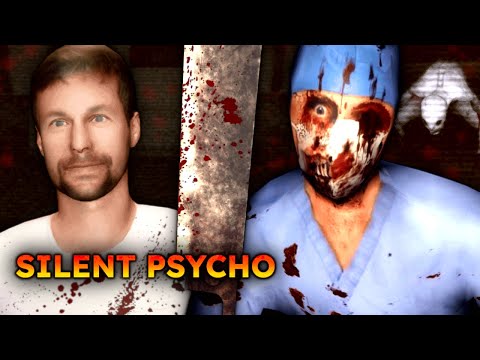
The Chapter 1 Guide for Silent Psycho [HORROR] focuses on how the abandoned asylum works as a system—not just where to go, but why threats activate, how puzzle codes are hidden, and when your team should split versus stick together. VI Entertainment designed this chapter as a tutorial disguised as a nightmare: every ward teaches a mechanic that Chapter 2 punishes harder.
Core Objectives and Run Structure
Chapter 1 opens in a lobby that seats up to five players before dropping your group into the psychiatric facility. Your macro goal is simple: restore access through locked wings, survive scripted encounters, and reach an ending. The micro goals rotate between finding keys, decoding room codes, powering utilities, and timing movement through hazard zones.
Runs break into three phases. Early game covers intake halls and patient records where you learn flashlight discipline and basic keypad logic. Mid game introduces the fire sequence, spider-adjacent areas, and multi-room code chains that require one player to read clues while another enters digits. Late game compresses chase pressure with final ward access and ending branches. Understanding this rhythm prevents teams from rushing into fire corridors before collecting mandatory items.
Threat Behavior and Survival Basics
Silent Psycho mixes patrol-style tension with scripted jump scares. Audio cues—distant footsteps, flickering lights, and PA static—often precede scripted events rather than free-roam hunting. Treat darkness as a resource drain: default flashlights have limited utility in long hallways, so pause in lit rooms to orient rather than sprint blindly.
The spider encounter is a common fail point. Environmental tells include webbing density, broken ceiling tiles, and audio stingers. If your team triggers Spider Victim, you likely entered the space without the intended distraction or route. See our Chapter 1 Walkthrough for step timing, but strategically: assign one player to watch rear corridors while others solve the adjacent puzzle.
Fire segments punish panic. Smoke reduces visibility and damages players who stand still. Move in bursts between safe pockets, call out door states, and never assume a teammate cleared a path behind you. Burnt Out badge holders usually mis-timed a second crossing or returned to a cooling zone too early.
Puzzle Codes and Environmental Clues
Silent Psycho does not use Roblox promo codes. Every digit you need is embedded in the world: patient charts, wall tallies, audio logs, and object counts. The Code Breaker badge rewards players who complete a full chain without external hints—worth attempting once before consulting our Chapter 1 Codes reference.
When hunting codes, establish a callout format. Example: "Chart room, bed three, left poster" beats vague "check the numbers." Photograph clues on mobile if your platform allows quick screenshots. PC players can split-screen a notepad. Co-op teams should designate a scribe who never touches keypads until the full string is confirmed.
Ending Decision Points
Chapter 1 supports the Normal Ending most players see first, plus secret branches covered in our Secret Endings guide. Normal Ending requires completing mandatory objectives without skipping optional rescue prompts. First Escape badge fires on a clean standard clear.
Secret routes demand optional interactions: alternate keys, ignored warnings, and co-op splits that feel counterintuitive. If your group wants only one ending this run, agree before entering late-game wards. Accidental secret triggers frustrate teams hunting specific badges like No Help Needed, which requires refusing certain assistance prompts.
Co-op Roles for Chapter 1
Five-player lobbies benefit from loose roles rather than rigid classes. Scout moves ahead with flashlight to tag doors. Reader stays with clue-dense rooms. Keypad operator inputs codes after verbal confirmation. Rear guard watches for chase triggers during puzzles. Flex player revives and grabs dropped objectives.
Communication wins more than cosmetic gamepasses. Colored flashlights from the Items shop help identify teammates visually but grant zero survival advantage. For deeper lobby etiquette, read our Co-op Tips page.
Badge Hunting Priorities
Welcome badge is automatic on join. Prioritize Cat-astrophe and No Help Needed on dedicated runs because they conflict with standard co-op helpfulness. Spider Victim and Burnt Out are fail-state badges—plan separate attempts if you collect everything.
Track progress locally with our Badge Checklist tool so repeat runs stay organized.
Common Mistakes
Teams wipe when they split without radios/callouts, enter codes from memory after one player misread a clue, or trigger chase sequences mid-puzzle. Another mistake is skipping the asylum map orientation—see our Chapter 1 Map for wing names so callouts match.
Recommended Study Order
New players: skim this guide, run the Chapter 1 Walkthrough once, then revisit sections for endings. Completionists: pair All Endings with Secret Endings before grinding rare badges. When ready for April 2026 content, continue to our Chapter 2 Guide after a confident Chapter 1 clear.
Related Pages
Continue exploring Silent Psycho with these related wiki pages.